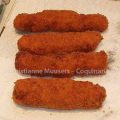
The picture shows my daughter and some of her friends at her birthday party many years ago (in 2002). As part of the festivities they were preparing their own meal, the standard birthday fare for a lot of Dutch children in the past: kroketten, French fries and apple sauce, but everything made from scratch. They…
ORIGIN
If you’re feeling under the weather
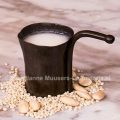
I prepared this beverage with barley water and almonds for the promotion on the Foodie Festival in Amsterdam of my most recent book Het geheim van de keukenmeid (The cook’s secret). Theme of this publication is recipes from the eighteenth century from printed cookery books with the word ‘keukenmeid’ (kitchen maid or cook) in the…
Cheese biscuits

Straight to the recipe The first recipes for 2019 both concern hot, mulled wine. To accompany these wines, I have added this recipe for cheese biscuits from a French cookery book that we used for our Christmas dinner 2018: La cuisine de monsieur Momo, célibataire. This was originally published in 1930. These biscuits were served…
Braised Belgian Endives
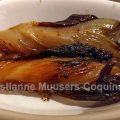
Straight to the recipe Belgian endives are not widely appreciated. It does not look very attractive once it is cooked, with its grey and slimy exterior. That is why generally speaking, today this vegetable is eaten raw as salad, or only slightly cooked. Imagine my horrified surprise when I read the recipe for Belgian endives…
Excellent cookies
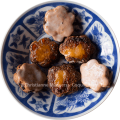
This is a recipe for small but rich cookies. High tea is not customary in the Netherlands, but we do serve a biscuit or cookie with a cup of coffee or tea, in the morning as well as in the afternoon. At what time of the day would these cookies have been served in the eighteenth…
Broccoli in the ‘Opera’
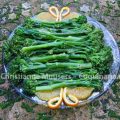
Straight to the recipe The Opera from this recipe has nothing to do with music, and everything with the opus magnus of Italian cook Bartolomeo Scappi, which appeared in print in 1570. Opera means ‘the work’ (in Italian, in Latin it would have been ‘the works’). Nowadays the cookbook is mainly known for its magnificent engravings which illustrate all kinds of…
Quince pie
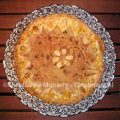
Straight to the recipe A very special pie from the sixteenth century There is a growing interest for vegetables and fruit from the past. Compared to, say the seventeenth century, the variety in apples, pears and plumbs has become less and less. Nowadays it is mainly those varieties that are easy to grow, have a high…
Tourte de fonges
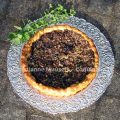
Straight to the recipe Mushroom pie from Lancelot de Casteau This mushroom pie from 1604 is much more modern than the Ménagier’s from the fourteenth century. No spices and sugar, but herbs to bring the stuffing to taste. The recipe comes from the Ouverture de cuisine, published in 1604 by Lancelot de Casteau. He was, according…
Home Made Italian Pasta
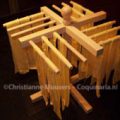
The Italians are famous for their pasta. On this page you learn how to make fresh pasta, with eggs and without eggs, and for stuffed pasta like ravioli and tortellini. Asian pasta is also delicious. See here for recipes. And for those of you who are interested in the past, here are recipes for fresh pasta from the sixteenth century. And…
Rice Pudding for Lent

Straight to the recipe This fourteenth-century recipe is especially for Lent, the period between carnival and Easter. Meat and dairy products were banned from the table (see the recipe for Fake Fish), and inventive cooks would create delicate dishes within these limitations, even though meals during Lent should be sober occasions. This sweet almond-rice pudding with raisins…
Sup with prunes and raisins
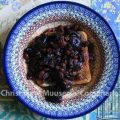
Straight to the recipe A dish for Lent This recipe for a ‘sup’ from the middle of the eighteenth century demonstrates the original meaning of the word soep (soup in English). The (toasted) bread at the bottom of the dish soaks in the juices of the dish, and adds filling carbohydrates to it. Often the…
Traditional Dutch herring salad
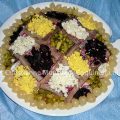
The Dutch are famous for eating ‘Dutch new’ or ‘matjes’ herring, which is essentially still raw. Tourists stare with fascinated abhorrence at those strange people who let the fish slide down their throats with extatic expressions on their face. But why would this be any less delicious than eating Japanese sashimi? And the herring is…
Salade Russe the Russian Way
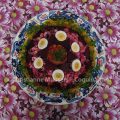
Straight to the recipe A recipe from 1866 The choice for this recipe is the result of a lecture I gave at the Museum Hermitage in Amsterdam in October 2014. The lecture was complementary to the exhibition Dining with the Czars, which is open for visitors until April 2015. At the end of my presentation all the guests…
Russian stock

Meat stock from the nineteenth century Soup is an important part of the Eastern-European kitchen. In the Gift for young housewives, a Russian cookery book that was first published in 1861, there is a recipe for basic bouillon that can be used for all kinds of soup. The recipes for the soups themselves contain variations…
Dutch pea soup
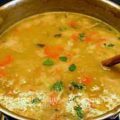
Snert, traditional winterfare Dutch cuisine has few internationally known highlights. Gouda cheese is one them, maatjesharing (young herring eaten slightly salted but essentially raw) is another. Snert or pea soup is also an icon of Dutch cuisine. As with all traditional recipes Dutch pea soup is made in many different ways. It is an ideal…